
Why Solar power station?

Core technology upgrade: ultra-high conversion rate and all-weather power generation
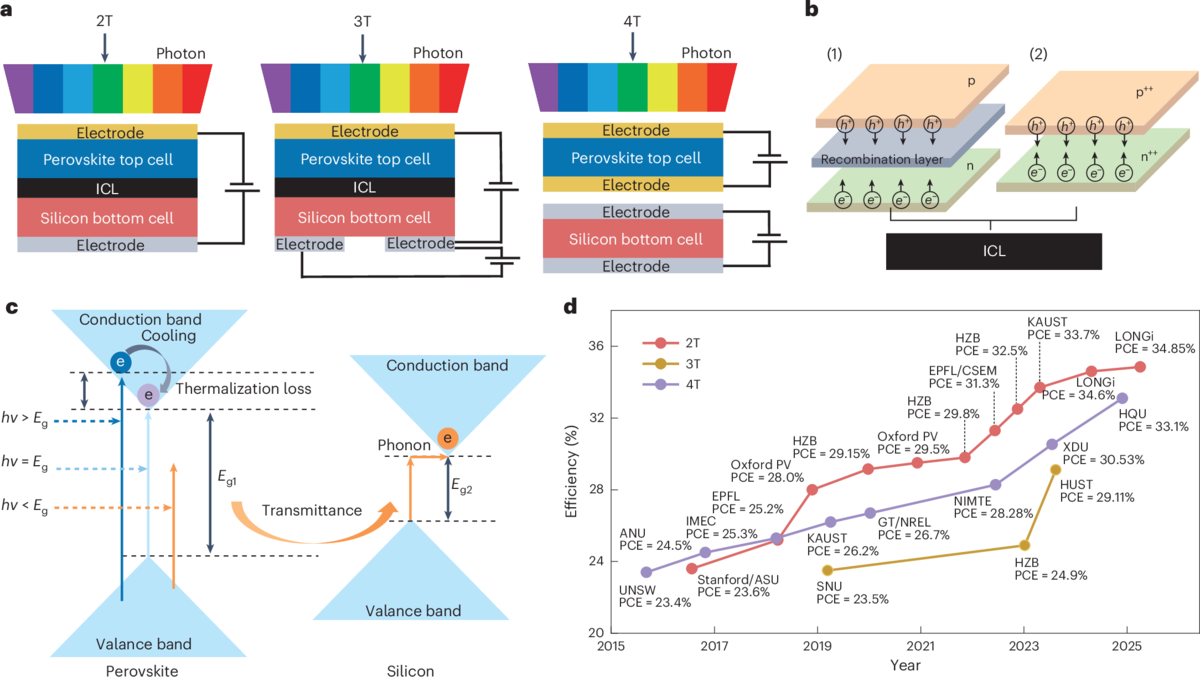
Perovskite-Silicon Tandem:The theoretical efficiency limit of traditional silicon-based solar cells is about 29.4%. In the future, power plants will use large-scale commercial calcite-silicon laminated batteries, whose comprehensive conversion efficiency can exceed 35% - 40%. This means that under the same land area, the power generation can be increased by more than one-third.
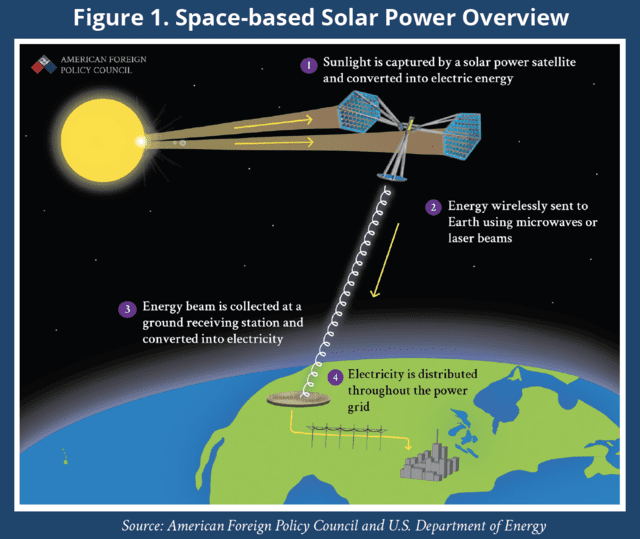
The idea of the space solar power plant (SBSP) is implemented: As the ultimate form, some future solar power plants may be deployed in geosynchronous orbit, collecting constant solar energy directly in space that is not blocked by the atmosphere and not affected by the alternation of day and night, and transmitting it back to the ground through microwave or laser wirelessly to achieve real 24/7 all-weather base power supply.
Deep integration of photovoltaic + energy storage: from unstable source to stable base load
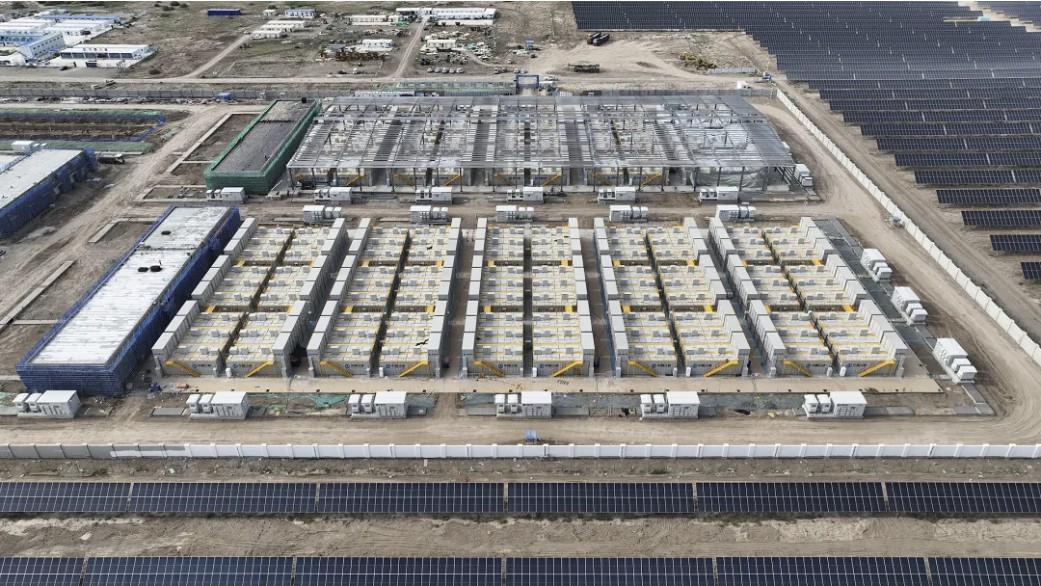
Standard configuration of long-term energy storage system (LDES): In the future, solar power plants will no longer exist in isolation, but will be deeply bound with solid-state batteries, liquid flow batteries, sodium-ion batteries or green hydrogen energy storage systems. Excess electricity during the day is converted into hydrogen or stored in a giant battery array and released stably at night or on rainy days.
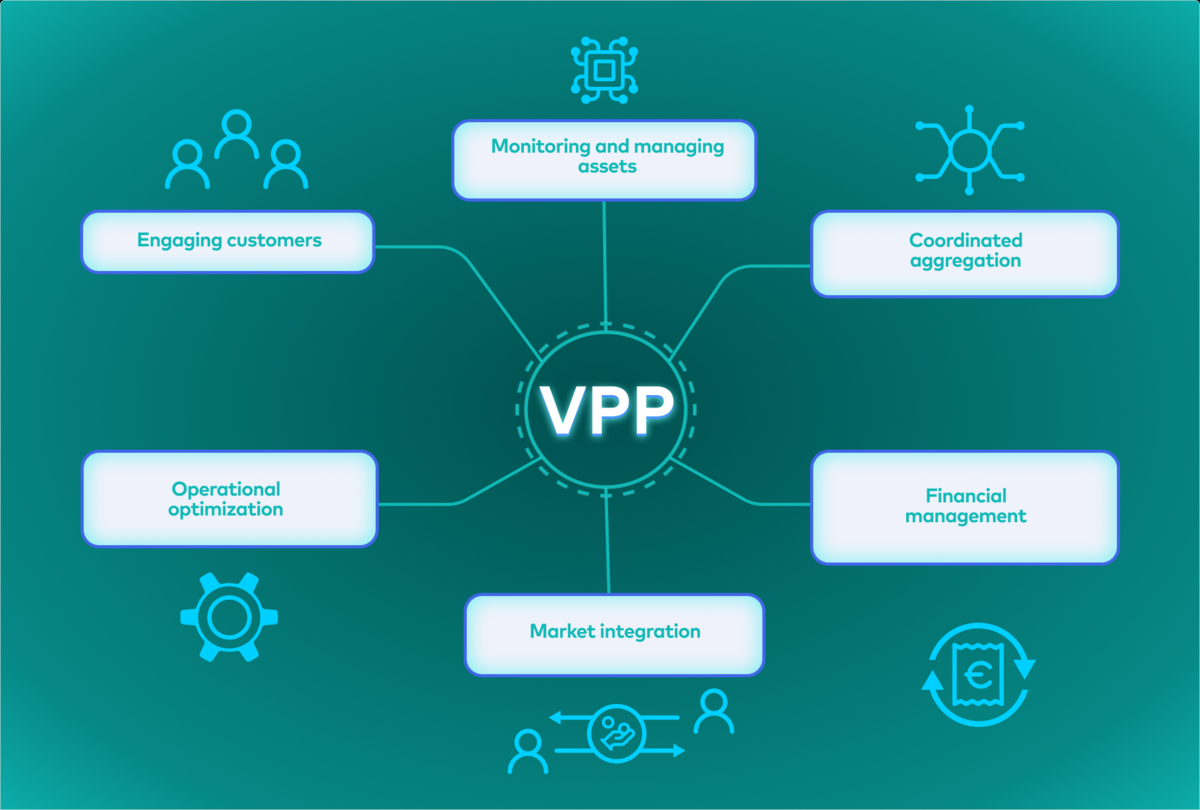
Virtual power plant (VPP) and AI intelligent scheduling: Relying on large language models and advanced prediction algorithms, future power plants can accurately predict fluctuations in power generation caused by meteorological changes hours or even days in advance, and automatically coordinate with other surrounding distributed energy sources in milliseconds to transmit extremely stable current to the power grid.
Economy and business model: extreme low cost and "zero carbon" by-products
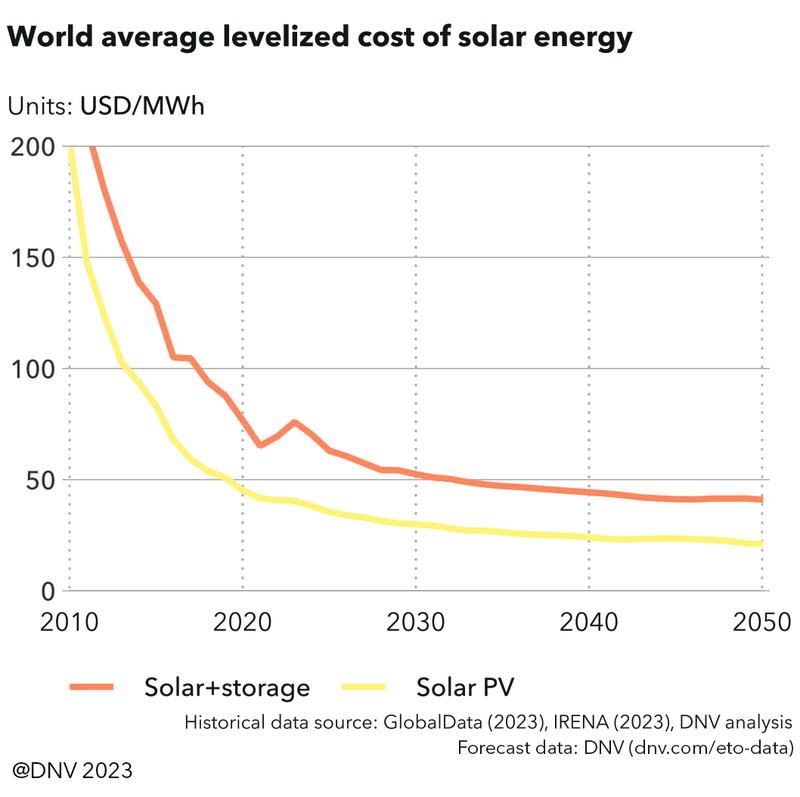
Extremely low electricity cost (LCOE): With the maturity of manufacturing processes and the extension of service life (the future panel life can reach 35-40 years), the electricity cost of solar energy will be further reduced, becoming the cheapest form of energy in most parts of the world, even approaching the "free marginal cost".
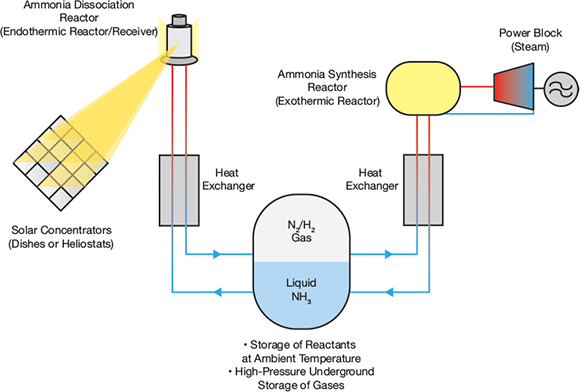
Manufacturing plants of green hydrogen and green chemical industry: Future solar power plants are often large-scale off-grid green hydrogen production bases. Use cheap clean electricity to directly electrolyse water to produce hydrogen, provide green fuel for heavy industry and aviation, and completely change the traditional energy trade pattern.

